New Jersey Real Estate Agent Green Building and Sustainability Certification Guide 2025: How Licensed Salespersons Master Energy-Efficient Home Sales, Navigate Green Financing Programs, and Capitalize on Eco-Conscious Buyer Demand
The green revolution is transforming New Jersey real estate faster than you think
Picture this: two identical homes sit side by side in Princeton. One sells in three days at asking price, while the other languishes on the market for months. The difference? The first home has an ENERGY STAR certification and solar panels. Welcome to 2025, where eco-conscious buyers control the market and green features drive purchase decisions more than granite countertops ever did.
As a licensed salesperson in New Jersey, you’re standing at the crossroads of the biggest shift in residential real estate since the internet changed how people search for homes. Buyers are demanding energy-efficient properties, green financing options are multiplying, and sustainability certifications are becoming as important as square footage. Yet most agents are fumbling through green building conversations, missing out on premium commissions and repeat business from environmentally conscious clients.
This guide transforms you from a traditional agent into a green building expert who speaks fluently about LEED certifications, understands New Jersey’s Clean Energy Program incentives, and connects buyers with specialized financing that makes sustainable homes more affordable.

This Photo was taken by Quan Tran.
Understanding green building certifications that matter in New Jersey
Green building certifications aren’t just marketing badges. They represent measurable energy savings, lower utility costs, and healthier living environments that resonate with today’s buyers. In New Jersey’s competitive market, these certifications often determine which properties sell quickly and which ones sit stagnant.
LEED certification levels and their market impact
Leadership in Energy and Environmental Design (LEED) certification operates on four levels: Certified, Silver, Gold, and Platinum. Each level represents increasingly stringent standards for energy efficiency, water conservation, and indoor air quality. Properties with LEED Gold certification typically sell for 3-7% more than comparable non-certified homes in New Jersey markets.
The U.S. Green Building Council reports that LEED-certified homes use 20-30% less energy than conventional homes. For your clients, this translates to monthly utility savings of $50-150, making higher purchase prices more palatable when you frame them correctly.
| LEED Level | Points Required | Average Premium | Energy Savings |
|---|---|---|---|
| Certified | 40-49 | 2-3% | 15-20% |
| Silver | 50-59 | 3-5% | 20-25% |
| Gold | 60-79 | 5-7% | 25-30% |
| Platinum | 80+ | 7-10% | 30-40% |
ENERGY STAR certification and buyer appeal
ENERGY STAR certified homes use 10-20% less energy than standard homes and include third-party verification of energy-efficient features. The Environmental Protection Agency estimates that ENERGY STAR homes save homeowners an average of $200-400 annually on utility bills.
What makes ENERGY STAR particularly valuable for New Jersey agents is its accessibility. Unlike LEED certification, which requires extensive planning from the construction phase, existing homes can often achieve ENERGY STAR status through strategic upgrades. This creates opportunities for you to advise sellers on cost-effective improvements that increase their home’s marketability.

This Photo was taken by Jakub Zerdzicki.
New Jersey specific green certifications
The Garden State offers several state-specific programs that savvy agents leverage for competitive advantage. The New Jersey Clean Energy Program provides rebates and incentives for energy-efficient upgrades, while the state’s Master Plan emphasizes sustainable development practices that influence local zoning and building codes.
Understanding these local programs positions you as the go-to agent for environmentally conscious buyers and sellers. When you can explain how a seller can qualify for state rebates before listing their home, or how buyers can access New Jersey-specific financing programs, you become indispensable.
Mastering the language of energy-efficient home features
Speaking confidently about green building features separates professional agents from those who simply show properties. Your expertise in explaining how these features benefit your clients directly impacts your credibility and commission potential.
High-performance building envelope systems
The building envelope includes walls, windows, doors, roof, and foundation—essentially everything that separates interior from exterior space. High-performance envelopes minimize energy transfer, reducing heating and cooling costs while improving comfort.
Advanced insulation systems like spray foam or structural insulated panels (SIPs) create continuous thermal barriers that eliminate energy-wasting gaps. When touring homes with clients, point out these features and explain their long-term value. A well-insulated home maintains consistent temperatures with less HVAC system strain, extending equipment life and reducing maintenance costs.
Triple-pane windows represent another significant upgrade that buyers notice immediately. These windows reduce energy transfer by 30-50% compared to standard double-pane windows while dramatically reducing outside noise—a selling point in New Jersey’s densely populated areas.
Smart home technology integration
Modern green homes integrate smart technology that optimizes energy usage automatically. Smart thermostats learn occupancy patterns and adjust temperatures accordingly, while smart water heaters heat water only when needed. These systems appeal to tech-savvy buyers who appreciate both convenience and efficiency.
Solar panel systems with battery storage represent the pinnacle of home energy independence. New Jersey’s net metering policies allow homeowners to sell excess solar energy back to the grid, potentially eliminating electric bills entirely. When presenting solar-equipped homes, calculate the monthly energy savings and present them alongside the mortgage payment to show the total cost of homeownership.
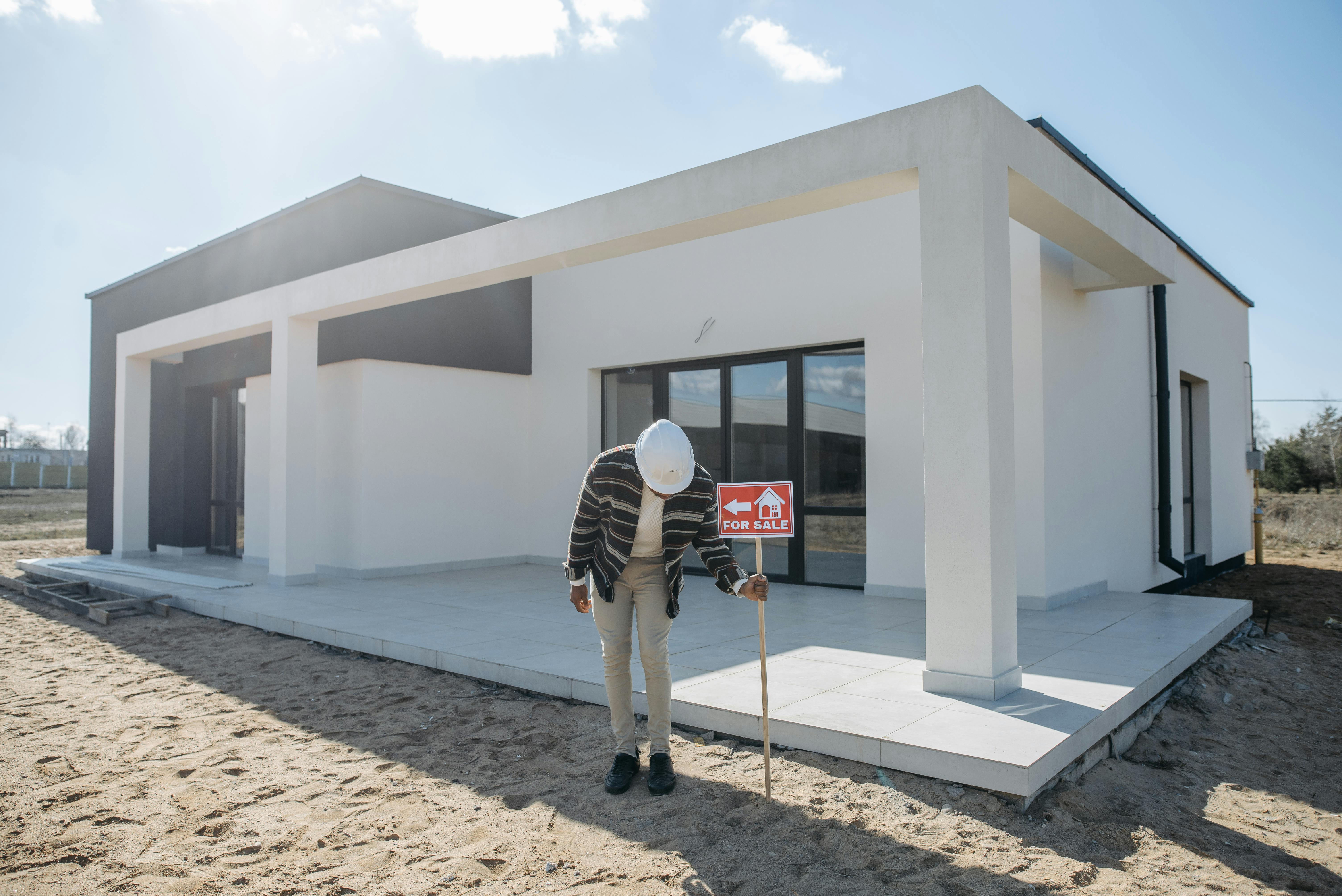
This Photo was taken by Pavel Danilyuk.
Indoor air quality and health features
Post-pandemic buyers prioritize indoor air quality more than ever. Green homes incorporate advanced ventilation systems that continuously circulate fresh air while recovering heat energy from exhausted air. Heat recovery ventilators (HRVs) and energy recovery ventilators (ERVs) maintain healthy indoor air without sacrificing energy efficiency.
Low-VOC (Volatile Organic Compound) materials reduce harmful chemical emissions from paints, carpets, and building materials. When showing homes with these features, emphasize the health benefits—particularly important for families with children or individuals with respiratory conditions.
Just as you’ve learned to connect remote work housing trends with buyer preferences, understanding these health-focused features helps you match environmentally conscious clients with properties that meet their wellness priorities.
Navigating New Jersey’s green financing landscape
Green financing programs transform expensive sustainable features from budget busters into affordable monthly payments. Your knowledge of these programs directly impacts your clients’ purchasing power and your transaction volume.
FHA Energy Efficient Mortgage programs
The Federal Housing Administration’s Energy Efficient Mortgage (EEM) program allows buyers to finance energy-efficient improvements up to $8,000 without impacting their debt-to-income ratio. For improvements exceeding $8,000, buyers can finance up to 5% of the property’s value or $4,000, whichever is greater.
This program works particularly well for first-time buyers who want energy-efficient homes but lack cash for immediate upgrades. You can help buyers identify properties with good bones that become dream homes with EEM-financed improvements. The process requires an energy assessment, but the results often justify the additional effort through expanded buyer options.
PACE financing programs
Property Assessed Clean Energy (PACE) financing allows property owners to finance energy-efficient upgrades through special property tax assessments. New Jersey participates in PACE programs that enable homeowners to install solar panels, upgrade HVAC systems, or improve insulation with no money down.
PACE financing appeals to sellers making pre-listing improvements and buyers planning post-purchase upgrades. The financing attaches to the property, not the borrower, making it transferable to new owners. This creates opportunities for sellers to complete energy upgrades that increase their home’s value while buyers can assume the financing along with the improved property.
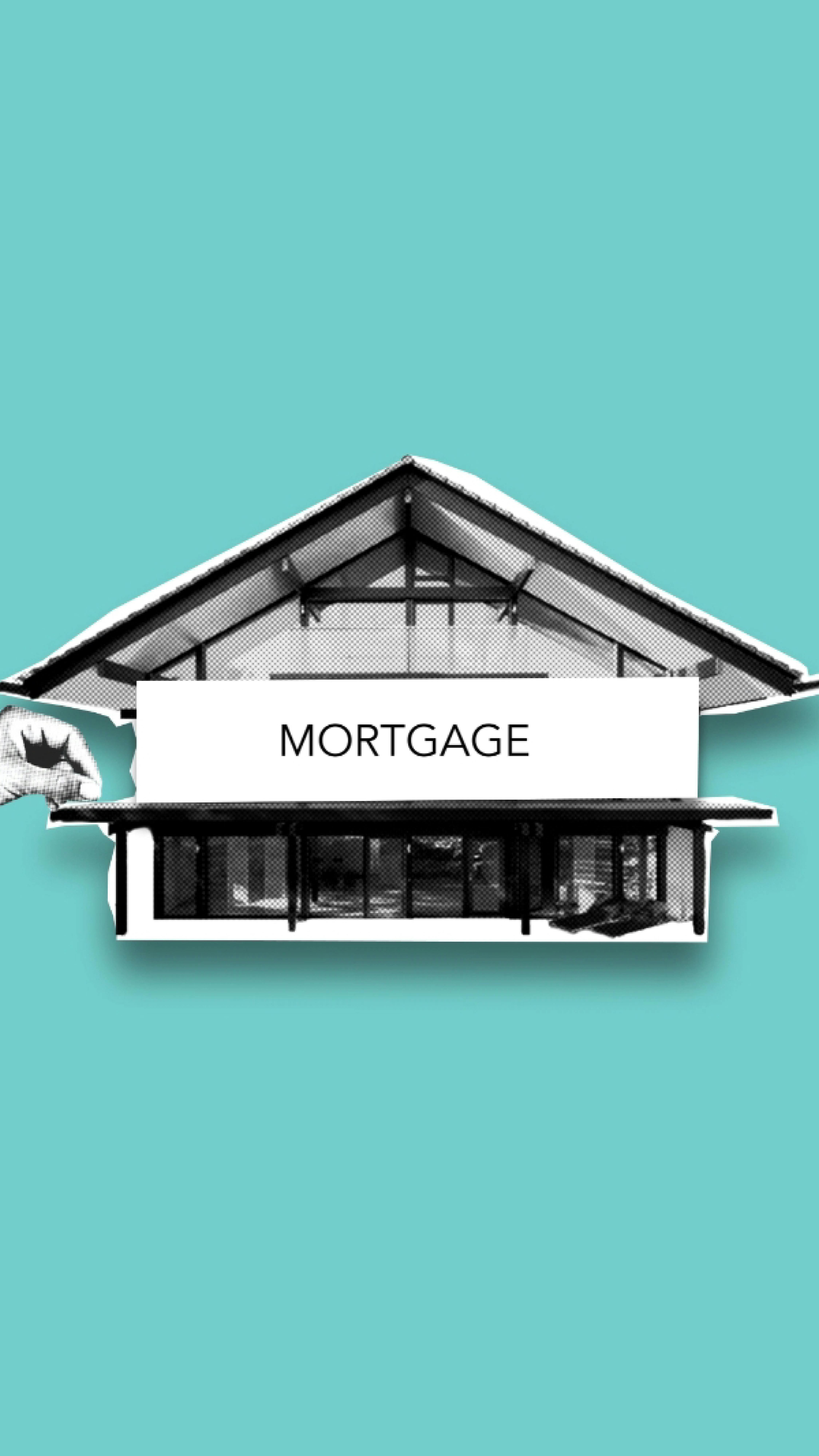
This Photo was taken by Monstera Production.
Conventional loan green incentives
Major mortgage lenders increasingly offer green loan products with reduced interest rates or relaxed underwriting standards for energy-efficient homes. Some programs reduce interest rates by 0.125-0.25% for ENERGY STAR certified homes, while others allow higher debt-to-income ratios for buyers purchasing green-certified properties.
Bank of America’s Energy-Efficient Mortgage program provides up to $5,000 in closing cost credits for qualifying green homes. Wells Fargo offers similar incentives through their Environmental Finance program. Understanding these lender-specific programs helps you guide buyers to the most advantageous financing options.
Similar to how you might guide clients through tax strategies for real estate investments, helping clients navigate green financing options positions you as a comprehensive advisor rather than just a transaction facilitator.
Identifying and capitalizing on eco-conscious buyer trends
Eco-conscious buyers represent a growing and profitable market segment. These buyers typically have higher incomes, make faster decisions when they find suitable properties, and generate valuable referrals within environmentally aware communities.
Demographic profiles of green home buyers
According to the National Association of Realtors 2024 study, 61% of buyers consider energy efficiency very or extremely important when selecting a home. Millennial buyers lead this trend, with 71% prioritizing sustainable features over luxury amenities like granite countertops or hardwood floors.
These buyers typically have household incomes exceeding $75,000 and education levels beyond high school. They research extensively before making decisions but move quickly once they identify properties meeting their criteria. Understanding their priorities helps you identify qualified prospects and tailor your marketing messages effectively.
Marketing strategies for sustainability features
Traditional real estate marketing emphasizes square footage, bedroom count, and location. Green home marketing requires different approaches that highlight long-term value and lifestyle benefits. Instead of simply listing “solar panels,” explain “eliminate electric bills with 8kW solar system and battery backup.”
Create energy cost comparisons showing monthly utility expenses for similar non-green homes versus the sustainable property you’re marketing. Visual representations of savings over 5-10 years help buyers understand the financial impact of green features beyond the initial purchase price.
Your social media and content marketing strategies should include green living tips, energy efficiency explanations, and success stories from satisfied clients who purchased sustainable homes.
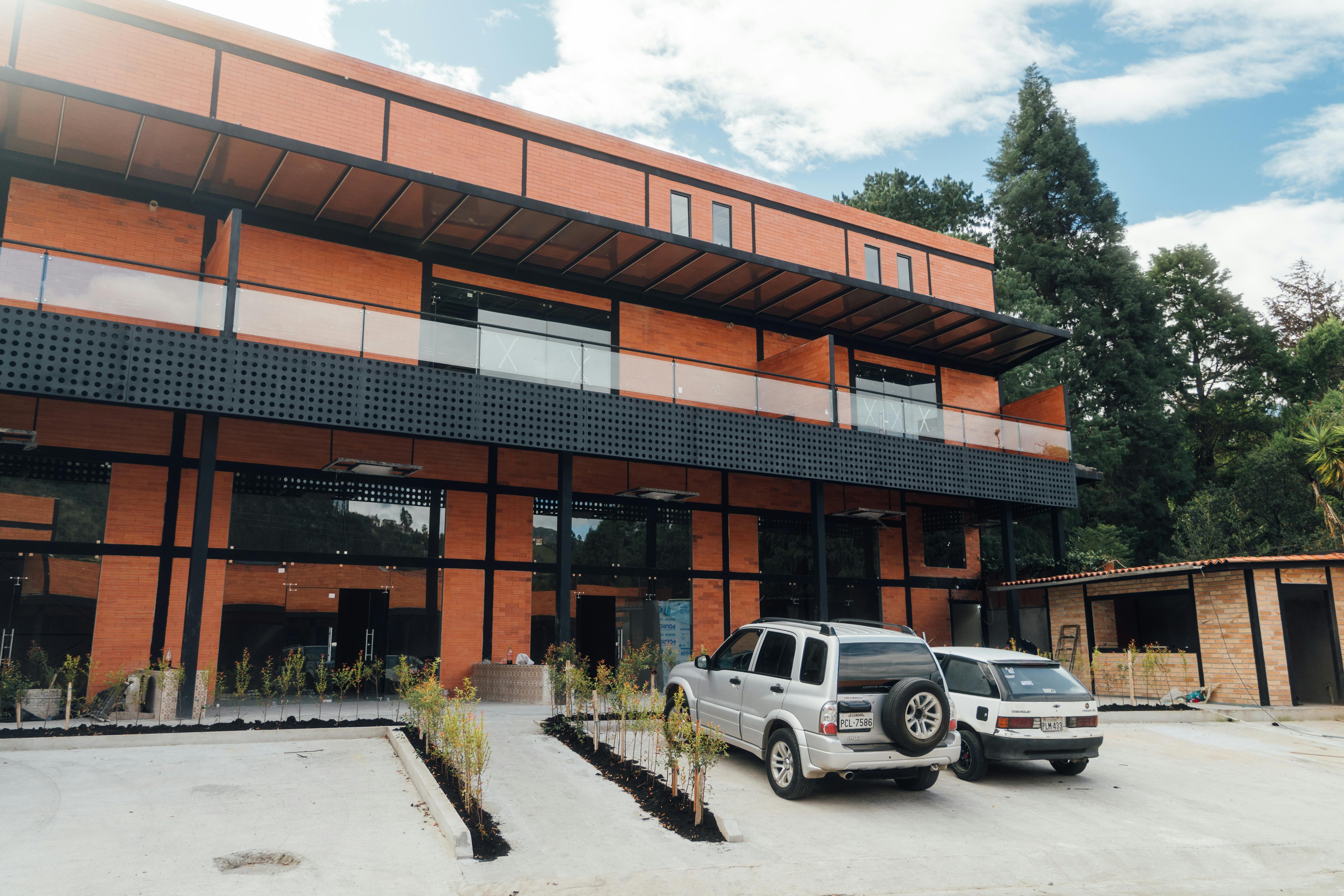
This Photo was taken by 8pCarlos Morocho.
Building relationships with green industry professionals
Successful green real estate agents cultivate relationships with energy auditors, solar installers, green builders, and sustainability consultants. These professionals provide referrals while you reciprocate with clients needing their services. This creates multiple revenue streams and positions you as the central hub for sustainable real estate transactions.
Partner with local solar companies to offer free energy assessments for your listings. Collaborate with green builders on new construction projects where you can provide buyer representation services. Develop relationships with energy auditors who can help sellers identify cost-effective improvements before listing their homes.
Consider how these partnerships complement your existing referral network strategies while opening new market segments previously unavailable to traditional agents.
Conducting effective green home assessments
Professional green home assessments differentiate knowledgeable agents from those who simply point out obvious features. Your ability to evaluate and explain energy-efficient components impacts your credibility and your clients’ confidence in their purchase decisions.
Essential tools for energy efficiency evaluation
Invest in basic energy assessment tools that help you provide immediate insights during showings. A thermal leak detector identifies areas where conditioned air escapes, while a digital light meter measures natural lighting levels that affect electric usage. These tools cost less than $200 but demonstrate your expertise and commitment to client service.
Smartphone apps like Energy Star’s Portfolio Manager help track energy usage over time, while utility bill analysis tools calculate actual energy costs for the property. When buyers see you pulling out professional tools and explaining their findings, you establish authority that justifies your commission and generates referrals.
Interpreting energy audit reports
Professional energy audits provide detailed assessments of home energy performance, but most buyers need help interpreting the technical information. Learn to translate audit reports into understandable language that highlights benefits and identifies improvement opportunities.
Focus on sections that impact monthly costs most significantly: heating/cooling system efficiency, insulation levels, and air leakage measurements. Explain how identified deficiencies affect comfort and utility bills, then suggest improvement priorities that provide the best return on investment.
When representing sellers, use audit findings to prioritize pre-listing improvements that maximize market appeal relative to investment costs. Energy audits often identify simple fixes like weather stripping or programmable thermostats that provide significant buyer appeal at minimal cost.
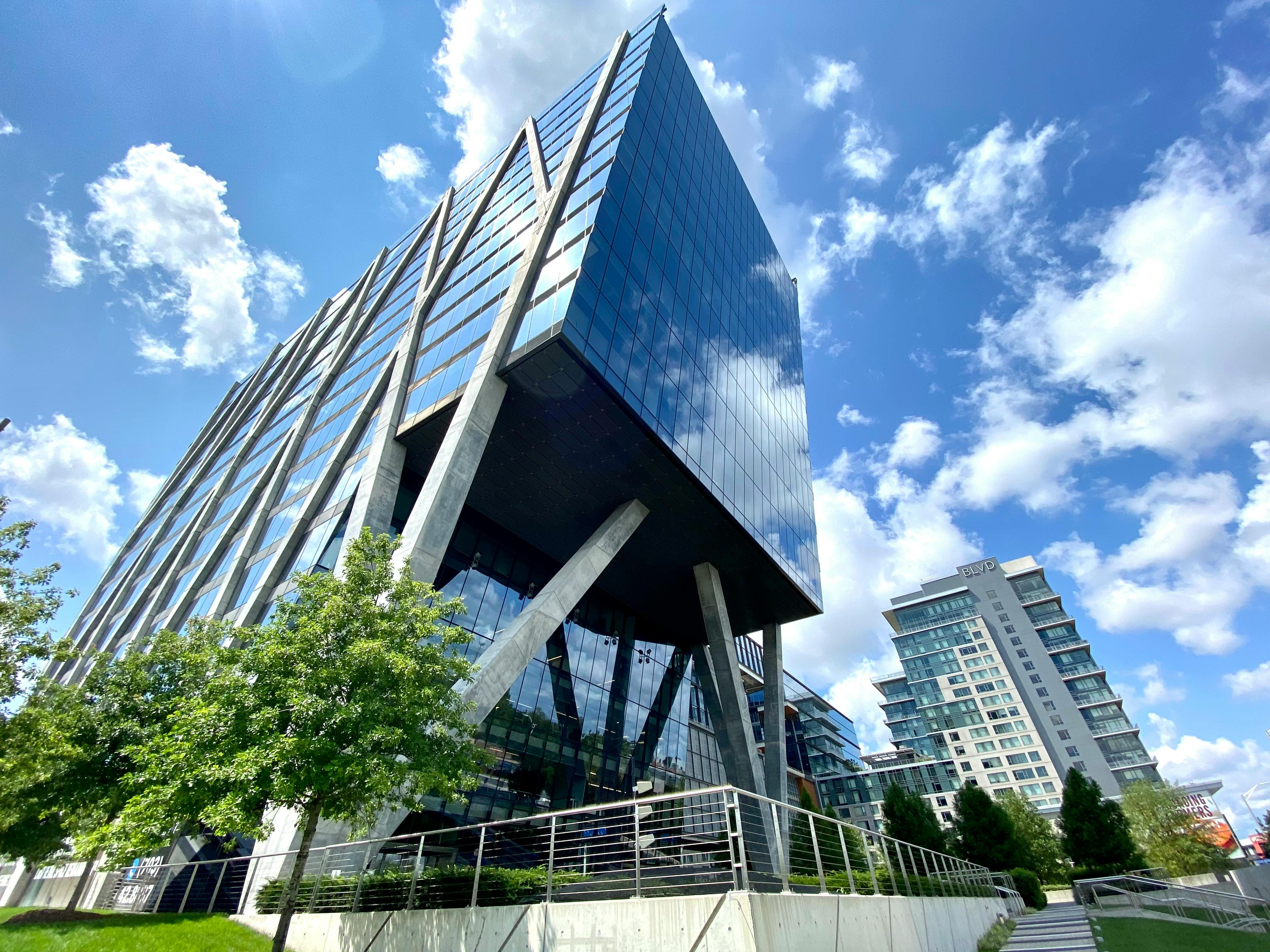
This Photo was taken by Andreas Leindecker.
Creating compelling energy efficiency presentations
Transform technical energy data into compelling sales presentations that resonate with buyers emotionally and financially. Create simple charts showing monthly utility costs compared to similar non-efficient homes, then calculate annual and 10-year savings to demonstrate long-term value.
Include environmental impact data that appeals to eco-conscious buyers’ values. A typical ENERGY STAR home prevents 5,000-10,000 pounds of carbon dioxide emissions annually—equivalent to planting 50-100 trees or removing a car from the road for several months.
Develop before-and-after case studies from previous clients who purchased green homes, showing their actual utility bills and satisfaction levels. Real data from local clients provides credibility that generic statistics cannot match.
Overcoming common green building objections
Even environmentally conscious buyers express concerns about green building technologies, costs, and long-term reliability. Your ability to address these objections professionally and factually determines whether prospects become clients and transactions proceed smoothly.
Addressing upfront cost concerns
The most common objection focuses on higher purchase prices for green-certified homes. Successful agents reframe this conversation by calculating total cost of ownership rather than just purchase price. Create simple spreadsheets showing monthly mortgage payments plus utility costs for green versus conventional homes.
Present financing options that make green features more affordable, such as energy-efficient mortgages or PACE financing programs. When buyers understand they can finance energy improvements at low interest rates while immediately benefiting from reduced utility costs, price objections often disappear.
Emphasize resale value protection and appreciation potential. Lawrence Berkeley National Laboratory studies show that green-certified homes maintain their value better during market downturns and appreciate faster during growth periods.
Addressing technology reliability concerns
Some buyers worry about solar panel maintenance, smart home system complexity, or energy-efficient HVAC system reliability. Address these concerns with manufacturer warranty information, local service provider networks, and maintenance requirement explanations.
Modern solar panels carry 20-25 year warranties and require minimal maintenance beyond occasional cleaning. Smart home systems receive regular software updates that improve functionality over time, while energy-efficient HVAC systems often last longer than conventional systems due to reduced operating stress.
Connect concerned buyers with satisfied homeowners who can share their actual experiences with green home technologies. Real testimonials from local homeowners carry more weight than manufacturer marketing materials.
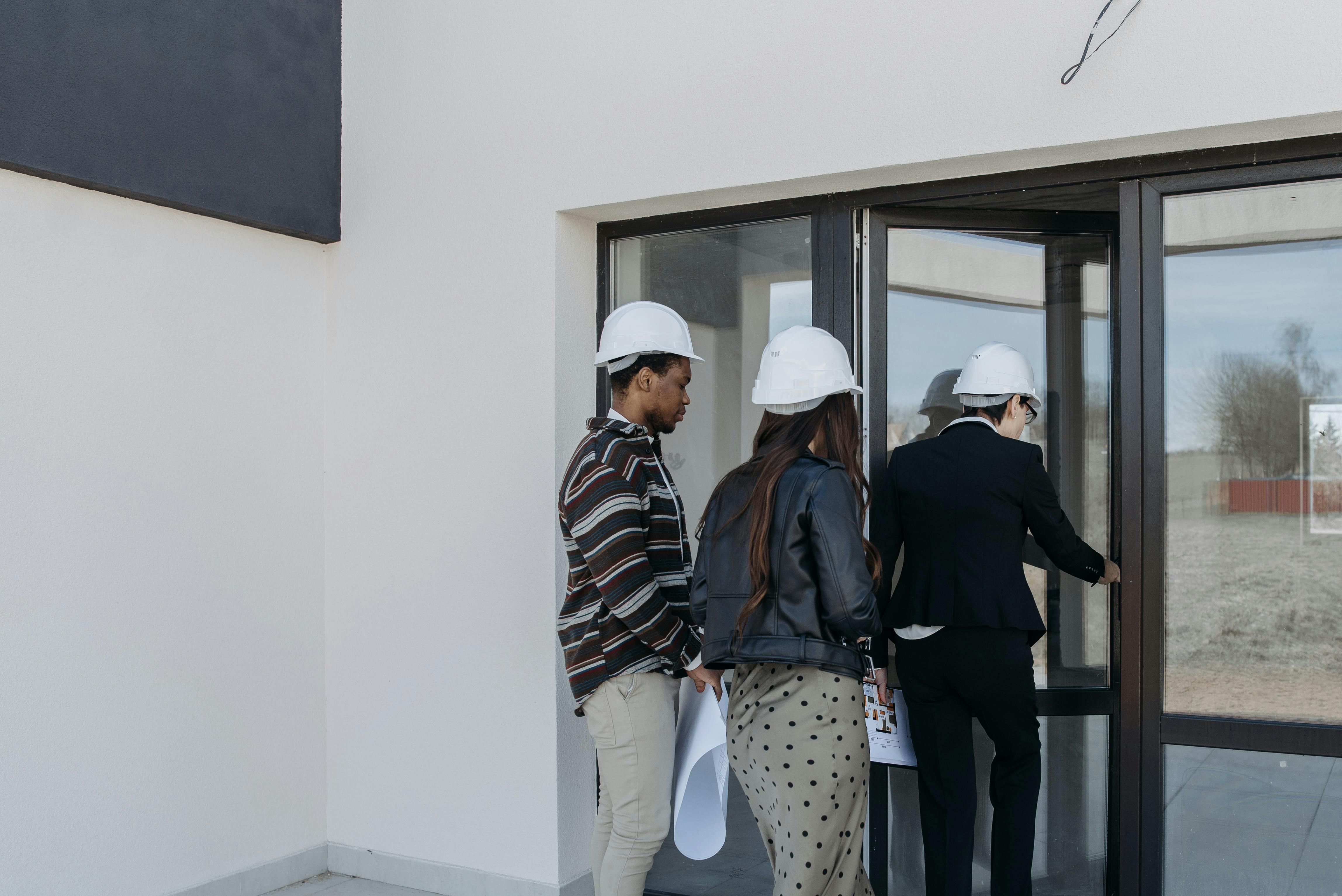
This Photo was taken by Pavel Danilyuk.
Managing expectation about performance
Buyers sometimes expect unrealistic energy savings or assume green features eliminate all utility costs. Set realistic expectations based on actual performance data while emphasizing that savings vary based on usage patterns, weather conditions, and maintenance practices.
Provide ranges rather than specific numbers when discussing potential savings. Instead of promising “$150 monthly savings,” explain that “most homeowners save $100-200 monthly depending on their usage patterns.” This approach prevents disappointment while maintaining enthusiasm for green features.
Connect buyers with utility company representatives who can explain net metering policies, time-of-use rates, and other programs that maximize green home benefits. Educated buyers make confident decisions and refer satisfied clients to your services.
Advanced green certification strategies for agents
Elevating your green building expertise through professional certifications and specialized training creates competitive advantages that translate directly into increased commissions and market share.
Pursuing specialized green certifications
The National Association of Realtors offers the Green Resource Council (GRC) certification that validates your green building knowledge and commitment to sustainable practices. This certification requires completing specific coursework covering green building principles, financing options, and marketing strategies.
Consider pursuing EcoBroker certification, which provides comprehensive training in environmental issues affecting real estate transactions. EcoBroker-certified agents typically command higher commissions and generate more referrals within environmentally conscious communities.
These certifications complement your existing professional development efforts and enhance your continuing education portfolio with specialized knowledge that few competitors possess.
Developing green market expertise
Focus your efforts on specific geographic areas or property types where green features provide maximum competitive advantage. Waterfront properties benefit significantly from flood-resistant and energy-efficient design, while urban properties appeal to buyers seeking reduced environmental footprints.
Study local utility rates, rebate programs, and zoning regulations that affect green building projects. Understanding these factors helps you provide valuable guidance that extends beyond traditional real estate services into comprehensive property ownership advice.
Track green home sales data in your market area to identify pricing trends, average days on market, and buyer preferences. This information becomes powerful marketing material that demonstrates your expertise while building confidence with potential clients.
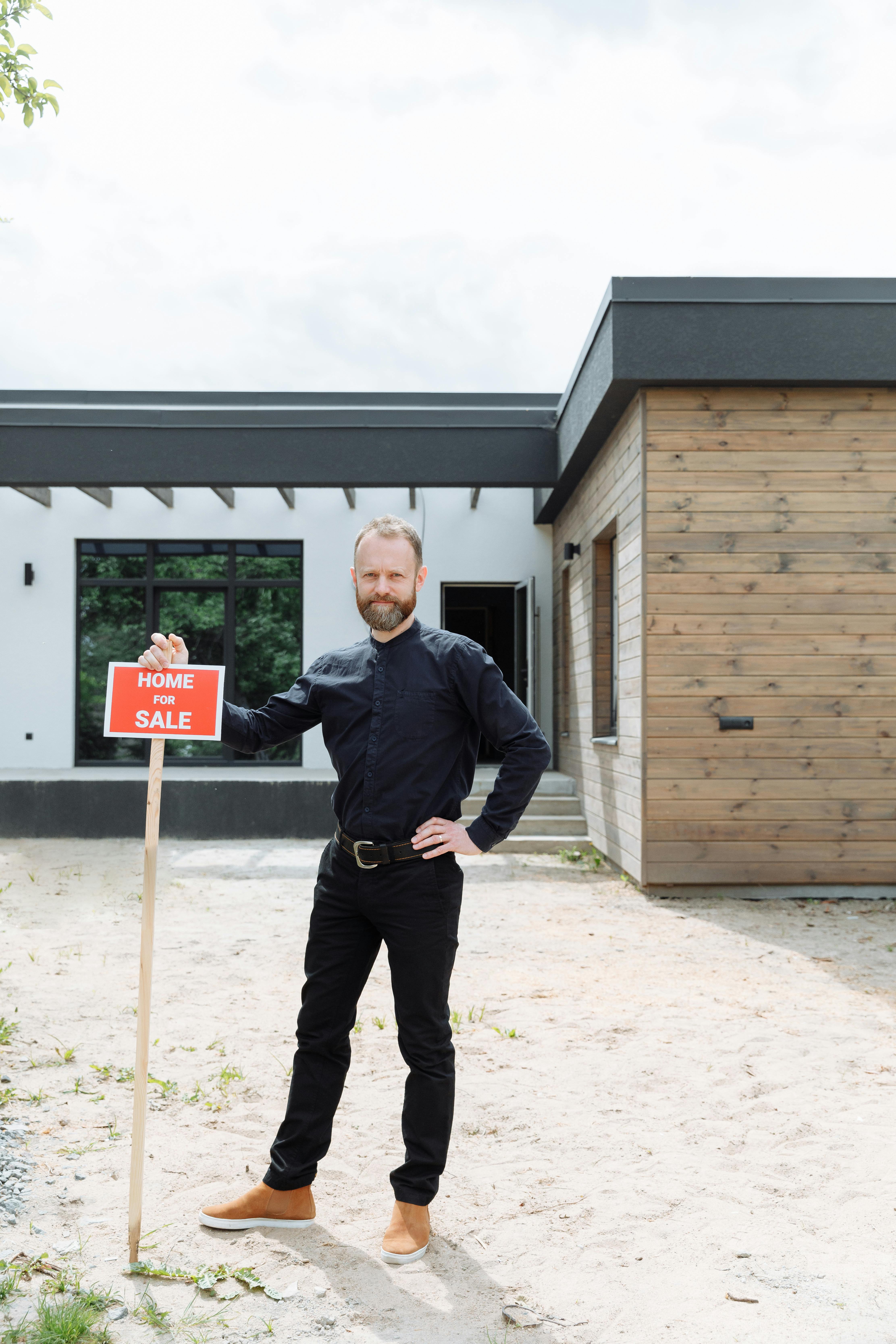
This Photo was taken by Thirdman.
Building green-focused business systems
Develop marketing materials, client questionnaires, and presentation templates specifically designed for green real estate transactions. Create property evaluation checklists that highlight energy-efficient features while identifying improvement opportunities.
Partner with green industry professionals to offer comprehensive services that address all aspects of sustainable homeownership. Your referral network should include energy auditors, solar installers, green contractors, and sustainability consultants who share your commitment to environmental responsibility.
Consider how green building expertise integrates with other specializations like luxury market strategies or first-time buyer programs to create unique value propositions that differentiate your services.
Legal and regulatory considerations for green real estate
Green building regulations and disclosure requirements continue evolving as New Jersey implements stricter environmental standards. Staying current with these changes protects your license while positioning you as the expert agents and clients trust for accurate information.
Understanding disclosure obligations
New Jersey requires disclosure of known material defects that affect property value or habitability. Green building features like solar panel lease agreements, energy-efficient system warranties, and utility interconnection agreements must be disclosed during transaction processes.
Solar panel systems present particular disclosure challenges when they involve lease agreements or power purchase agreements (PPAs) that transfer to new owners. Buyers need complete information about monthly obligations, maintenance responsibilities, and contract termination procedures before closing.
Energy audit reports and green building certifications become part of the property record that should be disclosed to potential buyers. Failure to disclose known information about energy performance or sustainability features could expose you to legal liability.
Navigating green building regulations
Local municipalities increasingly adopt green building requirements for new construction and major renovations. Understanding these regulations helps you advise clients about compliance costs and timeline implications for their projects.
Some New Jersey communities require energy efficiency certifications before property transfers, while others mandate disclosures about flood resilience and climate adaptation features. Your knowledge of local requirements prevents transaction delays and demonstrates your professional competence.
Stay informed about federal and state tax credit programs that affect green home ownership costs. These incentives change regularly and often have deadline requirements that impact transaction timing.
Just as you stay current with legal compliance requirements for traditional real estate transactions, understanding green building regulations protects your career while serving clients effectively.
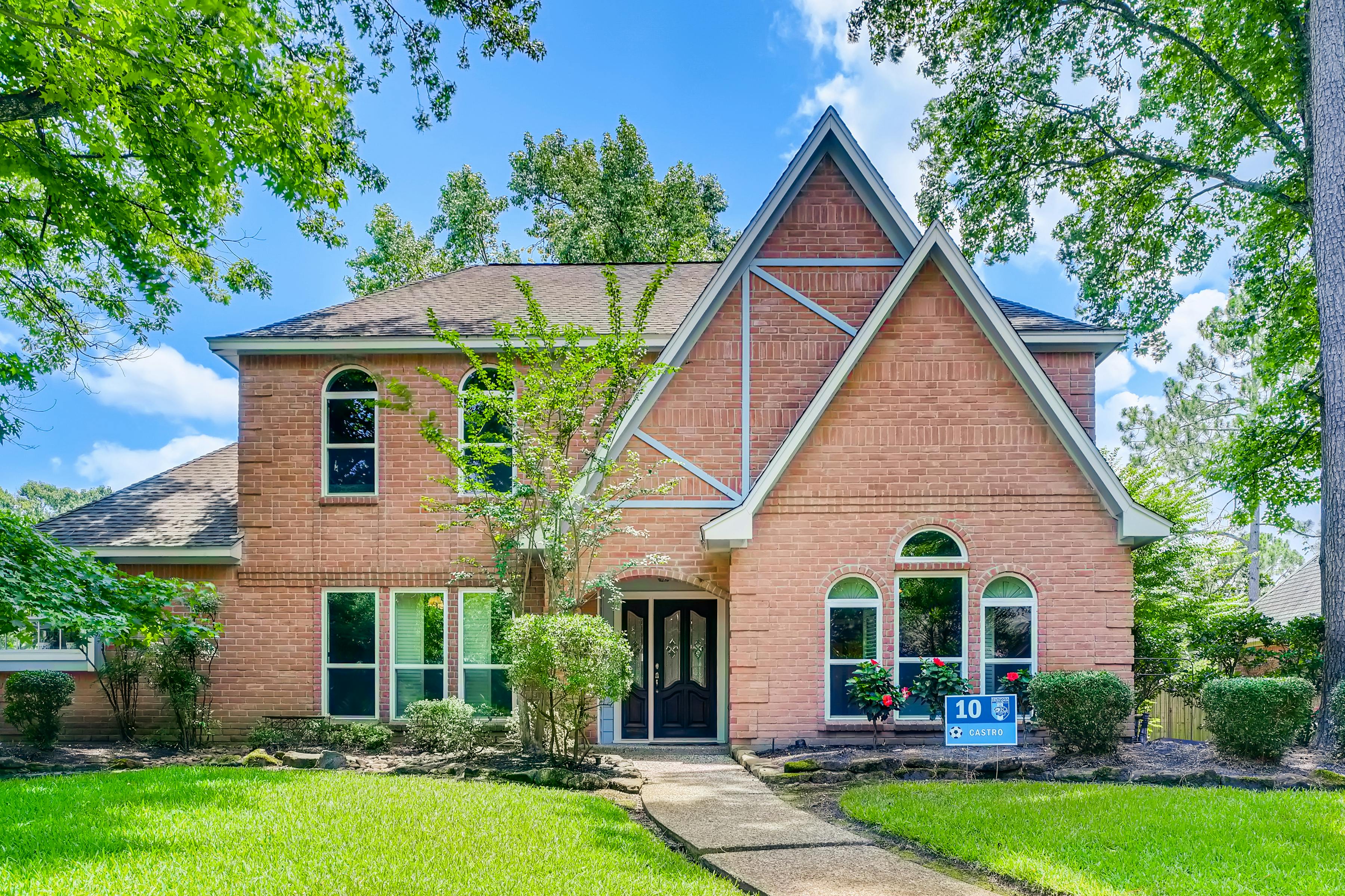
This Photo was taken by Allyson SALNESS.
Managing green building warranties and service contracts
Green building systems often include complex warranty arrangements involving multiple manufacturers and service providers. Solar panel systems typically include separate warranties for panels, inverters, installation, and performance guarantees that extend 10-25 years.
Help buyers understand warranty coverage limitations and service requirements that maintain warranty validity. Many green building warranties require annual maintenance or periodic inspections that become homeowner obligations.
Create warranty transfer checklists that ensure all green building system warranties properly transfer to new owners during property sales. Missing warranty transfers can cost new owners thousands of dollars in coverage they expected to receive.
Measuring success in green real estate specialization
Tracking specific metrics helps you evaluate your green building expertise impact on your business growth and client satisfaction levels. These measurements guide your professional development investments while demonstrating your specialization value to potential clients.
Key performance indicators for green agents
Monitor your green-certified property transaction volume compared to total sales to measure specialization growth. Track average days on market for green versus conventional listings to demonstrate your marketing effectiveness with sustainability-focused properties.
Measure commission premiums earned on green building transactions compared to standard properties. Green-focused agents often command higher commission rates due to their specialized expertise and the additional services they provide during complex sustainable property transactions.
Calculate referral rates from green building industry professionals and environmentally conscious clients. These referrals typically convert at higher rates and generate repeat business more frequently than traditional lead sources.
Client satisfaction and retention metrics
Survey clients about their satisfaction with green building guidance and whether they would recommend your services to environmentally conscious friends and family. Green building clients often have extensive networks of like-minded individuals who become valuable referral sources.
Track long-term relationships with clients who purchased green homes through your services. These clients often need your expertise for future transactions and provide testimonials that attract similar buyers to your services.
Monitor online reviews and social media mentions that specifically reference your green building expertise. Positive feedback about your sustainability knowledge becomes powerful marketing content for attracting eco-conscious clients.
Your success in green real estate should complement your overall client retention strategies while opening new revenue streams through specialized knowledge that few competitors possess.
Frequently asked questions about green building and sustainability in New Jersey real estate
What certifications should New Jersey real estate agents pursue to specialize in green buildings?
The National Association of Realtors’ Green Resource Council (GRC) certification provides comprehensive training in green building principles, financing options, and marketing strategies. EcoBroker certification offers additional specialized knowledge about environmental issues affecting real estate transactions. Both certifications typically require 10-20 hours of coursework and demonstrate your commitment to sustainable real estate practices.
How much more do green-certified homes sell for in New Jersey?
ENERGY STAR certified homes typically sell for 2-4% more than comparable conventional homes, while LEED-certified properties command 3-7% premiums depending on certification level. These premiums reflect buyer demand for energy efficiency and lower utility costs. Green homes also sell faster, averaging 15-30 fewer days on market than conventional properties.
What financing options are available for buyers purchasing energy-efficient homes?
FHA Energy Efficient Mortgage (EEM) programs allow buyers to finance up to $8,000 in energy improvements without affecting debt-to-income ratios. PACE financing enables property owners to fund energy upgrades through special tax assessments. Many conventional lenders offer green loan products with reduced interest rates or relaxed underwriting standards for ENERGY STAR or LEED-certified homes.
Do solar panels always increase home value in New Jersey?
Owned solar panel systems typically increase home value by $15,000-25,000 for average residential installations. However, leased solar panels may not add value and can complicate sales transactions due to lease transfer requirements. Net metering policies in New Jersey allow homeowners to sell excess solar energy back to utilities, enhancing the financial benefits of solar ownership.
What green building features do New Jersey buyers prioritize most?
Energy-efficient heating and cooling systems rank highest among buyer priorities, followed by solar panels, upgraded insulation, and programmable thermostats. Millennial buyers particularly value smart home technology that optimizes energy usage automatically. Water conservation features like low-flow fixtures and rain collection systems appeal to environmentally conscious buyers across all age groups.
How can agents help sellers prepare their homes for eco-conscious buyers?
Recommend energy audits to identify cost-effective improvements that provide maximum buyer appeal relative to investment costs. Simple upgrades like LED lighting, programmable thermostats, and improved weather sealing often provide strong returns. Help sellers understand available rebates and tax credits for energy-efficient improvements completed before listing their homes.
Your pathway to green building expertise starts now
The transformation from traditional agent to green building expert isn’t just about learning new terminology or memorizing certification levels. It’s about positioning yourself at the forefront of a fundamental shift in how buyers evaluate and purchase homes. While your competitors discuss square footage and school districts, you’ll be calculating energy savings and explaining tax credits that make sustainable living affordable.
The agents who master green building concepts today will dominate tomorrow’s real estate landscape. Eco-conscious buyers represent the fastest-growing segment in residential real estate, and they’re willing to pay premiums for agents who understand their priorities and can navigate the complex world of green financing, certifications, and regulations.
Your investment in green building expertise pays dividends beyond individual transactions. You’ll build relationships with environmental professionals who provide steady referrals, develop specialized knowledge that justifies higher commission rates, and create a sustainable business model that grows stronger as environmental consciousness expands throughout New Jersey communities.
The question isn’t whether green building will become mainstream—it already has. The question is whether you’ll be ready when environmentally conscious buyers and sellers seek an agent who truly understands their needs and can deliver results that exceed their expectations.

This Photo was taken by Kelly.
Start your green building education today, pursue relevant certifications, and begin incorporating sustainability questions into your client consultations. Your future self—and your bank account—will thank you for making this investment in specialized knowledge that sets you apart in New Jersey’s competitive real estate market.
Remember that expertise in green building complements all your other professional skills, whether you’re helping clients with investment strategies, market analysis, or negotiation strategies. Green building knowledge enhances every aspect of your real estate practice while opening new opportunities for growth and success.