New Jersey Real Estate Agent Remote Work Housing Trends 2025: How Licensed Salespersons Capitalize on Hybrid Work Migration, Suburban Demand Shifts, and Home Office Requirements for Maximum Market Success
The remote work revolution didn’t just change where people work—it fundamentally rewired where they want to live. In New Jersey, this seismic shift has created unprecedented opportunities for licensed salespersons who understand how hybrid work arrangements, suburban demand shifts, and evolving home office requirements are reshaping buyer behavior. While many agents struggle to adapt to post-pandemic market dynamics, savvy professionals are positioning themselves at the forefront of these migration patterns. The data tells a compelling story: 73% of remote workers in the tri-state area actively considered relocating during 2024, with New Jersey emerging as a prime destination for those seeking space, value, and quality of life without sacrificing career prospects.
The hybrid work migration phenomenon transforming Garden State real estate
New Jersey’s strategic positioning between New York City and Philadelphia has transformed from a simple geographic advantage into a powerful market catalyst. The hybrid work model—where employees split time between home and office—has fundamentally altered how buyers evaluate location priorities. Instead of optimizing solely for commute times, buyers now seek properties that balance accessibility with lifestyle amenities.
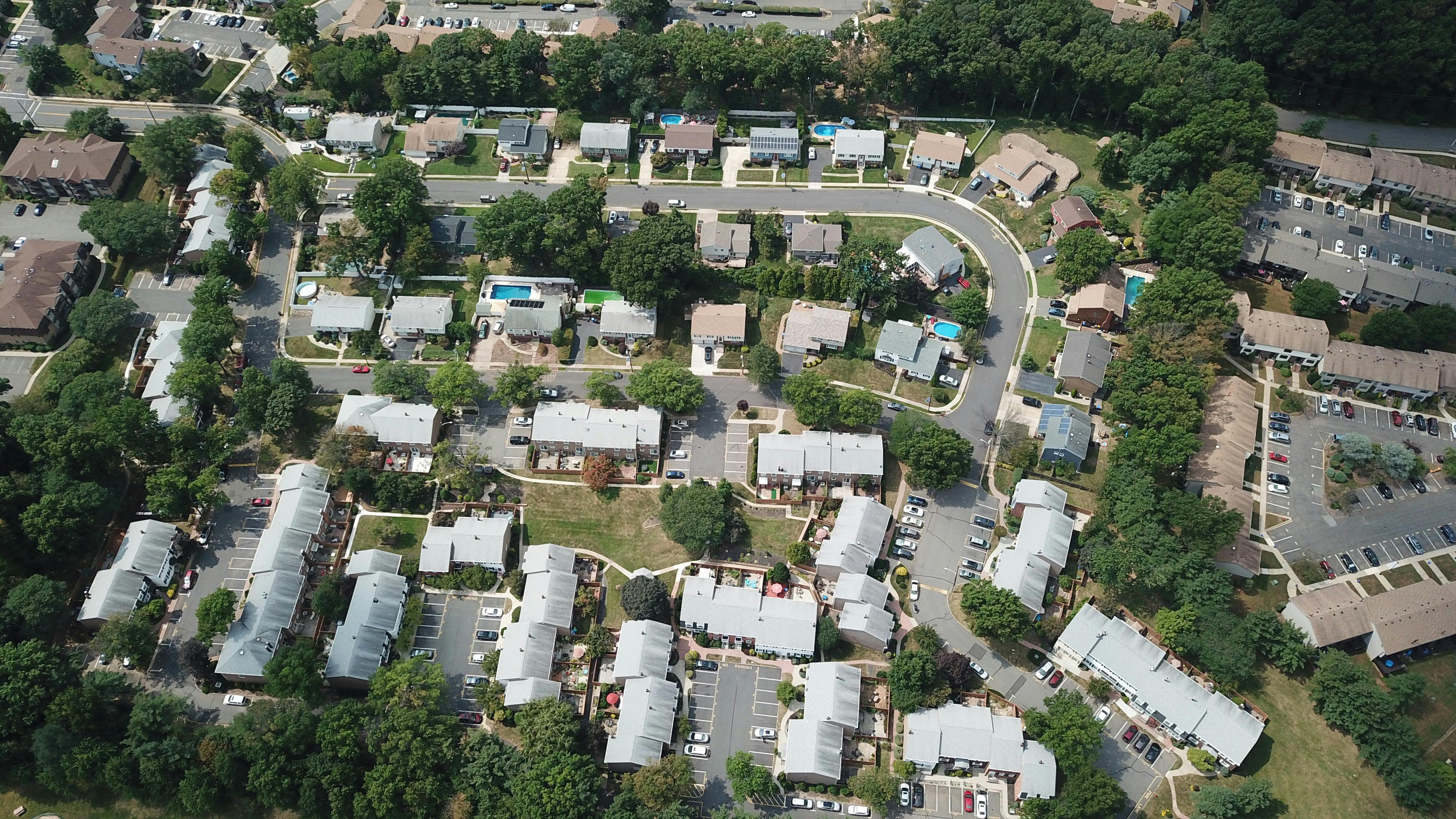
This Photo was taken by Alexander Tencio.
Licensed salespersons who recognize this shift are capitalizing on what industry experts call “hybrid proximity zones”—areas within 90 minutes of major metropolitan centers that offer superior value propositions. Towns like Princeton, Morristown, and Hoboken have seen average home values increase by 18-22% since 2023, driven largely by remote work migration patterns.
The migration data reveals distinct buyer personas emerging from this trend. Tech professionals represent 34% of remote work relocations to New Jersey, followed by financial services (28%) and consulting professionals (19%). Each group brings specific property requirements that forward-thinking agents are learning to anticipate and address.
Identifying high-potential migration corridors
Smart agents focus their efforts on specific transportation corridors that serve hybrid workers effectively. The Northeast Corridor rail line, major highway arteries like Route 287, and ferry routes from coastal communities create natural migration pathways. Properties within walking distance of NJ Transit stations command premium pricing, with buyers willing to pay 12-15% more for transit accessibility.
Bergen County exemplifies this phenomenon perfectly. Towns like Ridgewood and Westfield offer excellent schools, walkable downtowns, and reliable train service—exactly what relocating families prioritize. Understanding local market analysis becomes crucial for agents positioning themselves in these high-demand corridors.
Suburban demand shifts creating new opportunity zones
The traditional suburban hierarchy has been completely upended by remote work trends. Previously overlooked communities are experiencing unprecedented demand while some historically popular areas face new challenges. This redistribution of buyer interest has created significant opportunities for agents who can identify and capitalize on emerging markets.
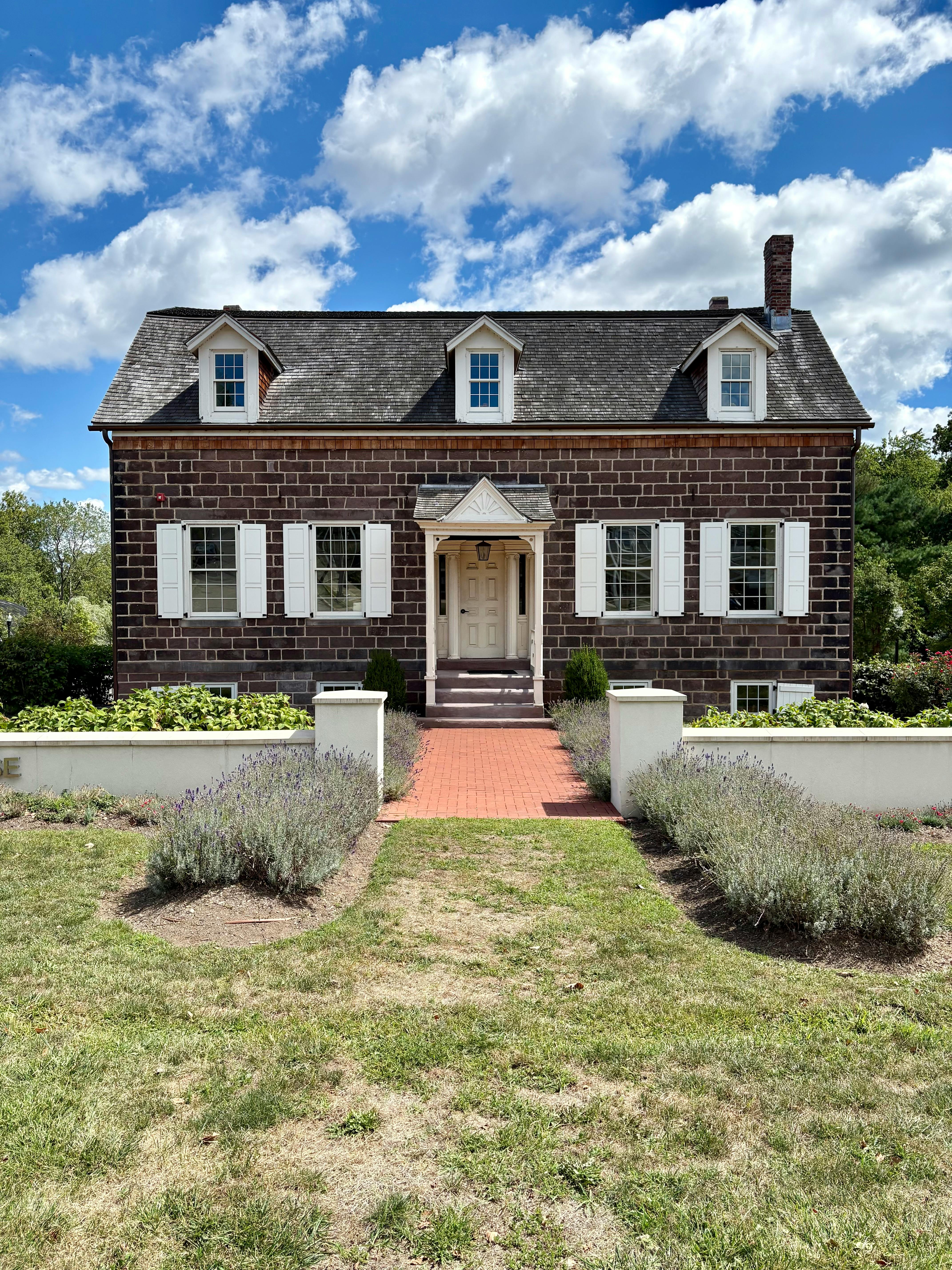
This Photo was taken by Denisse Villar.
Central Jersey has emerged as a particular beneficiary of these shifts. Somerset County, for instance, has seen inventory turnover rates increase by 31% year-over-year, with average days on market dropping to just 23 days for properly priced properties. The appeal centers on space, value, and lifestyle quality that urban dwellings simply cannot match.
| County | 2024 Price Increase | Remote Worker Percentage | Average Lot Size |
|---|---|---|---|
| Somerset | 19.3% | 67% | 0.84 acres |
| Morris | 21.7% | 71% | 1.12 acres |
| Hunterdon | 16.8% | 58% | 1.47 acres |
| Warren | 14.2% | 52% | 2.13 acres |
These demand shifts require agents to recalibrate their marketing strategies and geographic focus areas. Advanced marketing techniques become essential for reaching relocating buyers who may be unfamiliar with specific New Jersey communities.
The rural-suburban hybrid appeal
A fascinating trend within the suburban shift involves buyers seeking “rural-suburban” properties—homes that offer privacy and space while maintaining reasonable access to amenities and transportation. Warren County and parts of Sussex County have become hotspots for this buyer segment, particularly among families with children who prioritize outdoor space and larger homes.
Properties featuring 2+ acres, privacy from neighbors, and potential for home additions are commanding significant premiums. Agents specializing in these markets report average commission increases of 23% compared to traditional suburban transactions, reflecting both higher property values and more complex buyer requirements.
Home office requirements driving property selection criteria
The home office has evolved from a luxury feature to an absolute necessity for remote and hybrid workers. This shift has fundamentally altered how buyers evaluate properties, with dedicated workspace becoming as important as kitchen quality or bedroom count. Licensed salespersons who understand these evolving requirements position themselves as invaluable consultants rather than simple transaction facilitators.
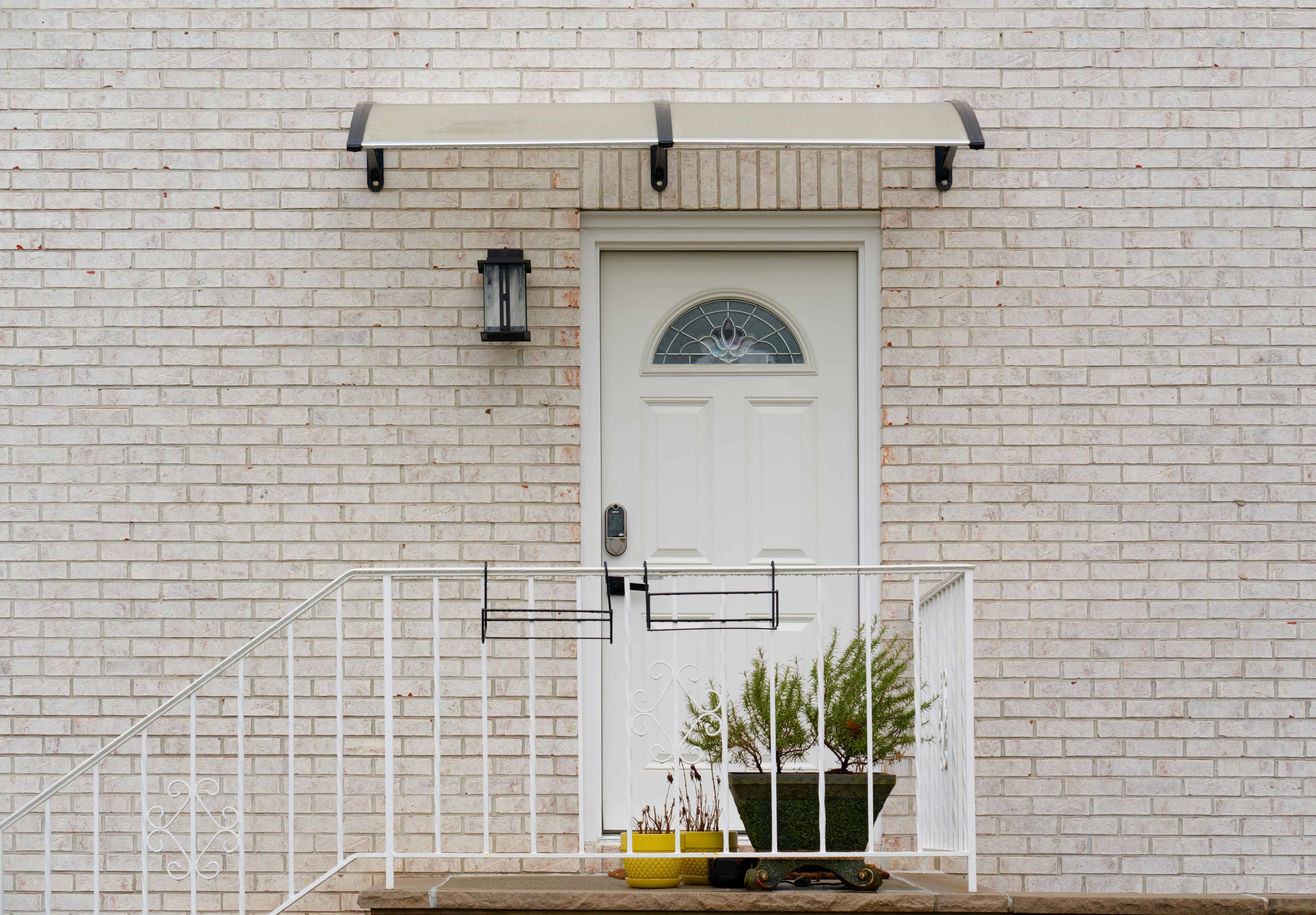
This Photo was taken by _ Whittington.
Modern buyers evaluate properties through a “work-from-home lens” that considers factors like natural lighting, noise isolation, internet infrastructure, and expansion potential. Properties lacking these features face longer market times and reduced pricing power, while homes optimized for remote work command premium valuations.
The most sought-after home office features include dedicated entrances (for client meetings), built-in storage solutions, high-speed internet capability, and sound insulation. Properties offering finished basement offices or converted garage spaces have particular appeal among buyers seeking to separate work and living areas completely.
Technology infrastructure as a selling point
Internet connectivity has become as crucial as electrical systems in property evaluations. Buyers routinely request internet speed tests during home inspections, and properties with fiber optic access command measurable premiums. Areas served by Verizon Fios, Comcast Gigabit, or other high-speed providers have distinct marketing advantages.
Smart agents partner with local internet service providers to understand coverage maps and can provide detailed connectivity information during property presentations. This technical knowledge helps differentiate professional services and builds buyer confidence in property selections.
Strategic positioning for maximum market capture
Successfully capitalizing on remote work housing trends requires strategic positioning that goes beyond traditional real estate practices. Top-performing agents develop specialized expertise in remote work requirements, transportation patterns, and lifestyle amenities that matter most to relocating buyers.

This Photo was taken by JINISH Rajagopal.
Building expertise in remote work trends involves understanding industry-specific requirements and buyer motivations. Tech workers prioritize different features than financial professionals, and family buyers have distinct needs compared to single professionals. Developing buyer personas helps agents tailor their property recommendations and marketing messages effectively.
Geographic specialization also proves valuable in remote work markets. Rather than covering broad territories, successful agents focus on specific corridors or communities where they can become recognized experts. This focused approach allows for deeper market knowledge and more effective client service.
Building referral networks with remote work specialists
The remote work migration involves various professional services beyond real estate, creating opportunities for strategic partnerships. Agents who build relationships with relocation specialists, tax advisors familiar with multi-state work arrangements, and home renovation contractors experienced in office conversions create comprehensive service networks.
Effective referral network strategies help agents capture more of the remote work migration market while providing superior client experiences. These partnerships often generate recurring business as satisfied clients recommend services to colleagues considering similar relocations.
Pricing strategies for the remote work buyer market
Remote work buyers often have different financial profiles compared to traditional purchasers, requiring adjusted pricing and negotiation strategies. Many relocating buyers benefit from urban salary levels while seeking suburban or rural properties, creating unusual purchasing power dynamics that savvy agents learn to navigate.
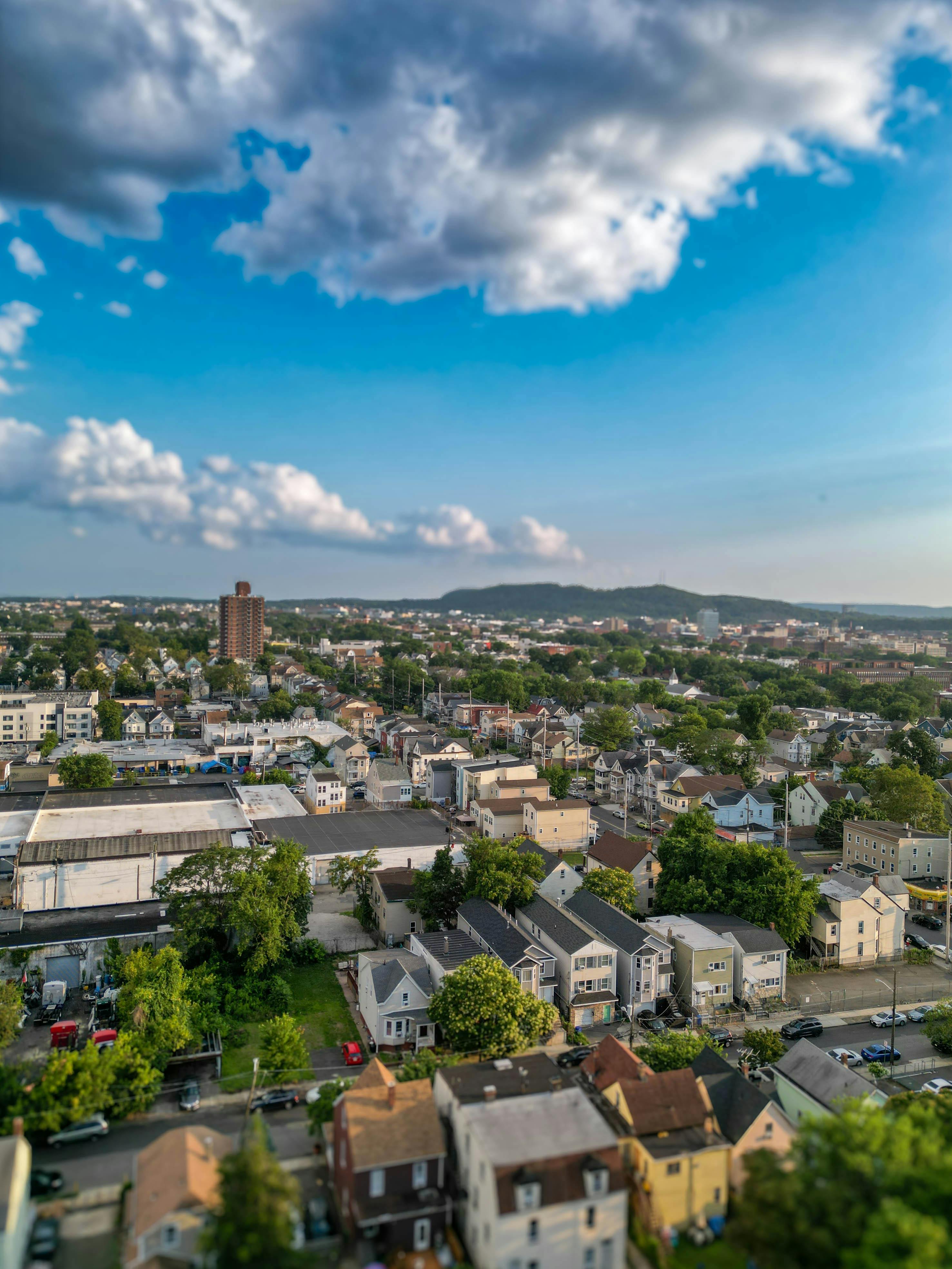
This Photo was taken by EME Photography.
Properties with strong remote work features can command premium pricing, but agents must justify these premiums with concrete value propositions. Buyers understand the cost savings of reduced commuting but need education about property-specific advantages and long-term value retention.
The financing landscape for remote workers has also evolved, with some lenders developing specialized programs for relocating remote employees. Understanding these financing options helps agents serve clients more effectively while potentially shortening transaction timelines.
Value-add opportunities in property preparation
Sellers working with knowledgeable agents can make strategic improvements that significantly increase property appeal to remote work buyers. Simple office space preparations, internet infrastructure upgrades, or soundproofing improvements often generate substantial returns on investment.
Agents who provide specific improvement recommendations based on remote work requirements differentiate their services and help sellers maximize property values. This consultative approach builds stronger client relationships and often results in higher commission opportunities through premium pricing.
Marketing to the hybrid work demographic
Reaching remote work buyers requires targeted marketing strategies that address their specific concerns and priorities. Traditional property marketing focuses on location and features, but remote work buyers need information about connectivity, workspace potential, and lifestyle integration.

This Photo was taken by Mateusz Haberny.
Digital marketing becomes particularly important for reaching relocating buyers who may be researching New Jersey markets from other states. Professional photography highlighting home office spaces, virtual tours showcasing workspace potential, and detailed neighborhood information about amenities and transportation help buyers evaluate properties remotely.
Content marketing strategies that address common remote work concerns—such as tax implications of working from different states or financing options for relocating buyers—help establish agent expertise and attract qualified leads.
Social media strategies for remote work markets
Remote work buyers are typically heavy social media users, making platforms like LinkedIn, Facebook, and Instagram valuable marketing channels. Agents who share content about remote work-friendly communities, home office design ideas, and relocation success stories build engaged followings among target demographics.
Video content performs particularly well with remote work audiences, as it helps them evaluate communities and properties from a distance. Virtual neighborhood tours, commute time demonstrations, and interviews with successful relocating families create compelling marketing content that drives engagement and leads.
Long-term wealth building through remote work specialization
Agents who successfully position themselves in the remote work market often discover opportunities for long-term wealth building beyond traditional commission structures. The specialization creates referral opportunities, consulting income, and potential investment partnerships that enhance overall financial returns.
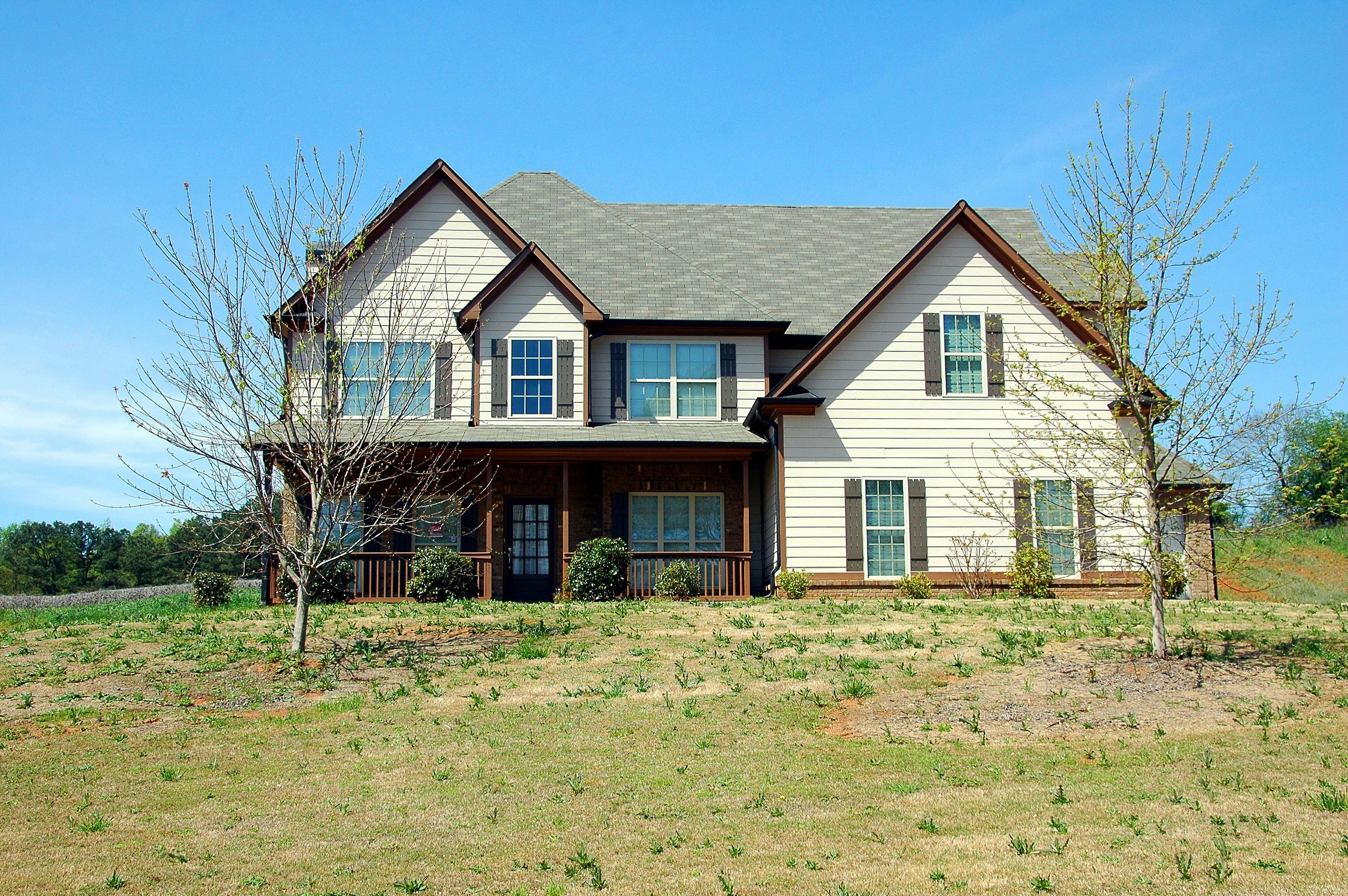
This Photo was taken by Pixabay.
Remote work specialization often leads to higher-value transactions as buyers relocating from expensive urban markets have substantial purchasing power. Average transaction values for remote work relocations typically exceed local market averages by 15-25%, directly impacting commission income.
The recurring nature of remote work migration also creates ongoing business opportunities. Successful agents build relationships with corporate relocation departments, remote-first companies, and professional networks that generate consistent referral streams.
Strategic retirement planning becomes particularly important for agents building wealth through remote work specialization, as the higher income levels require careful tax planning and investment strategies.
Investment opportunities in remote work markets
Knowledgeable agents often identify investment opportunities within the markets they serve, particularly in communities experiencing rapid remote work-driven growth. Building investment portfolios in these high-growth areas can provide long-term wealth accumulation beyond commission income.
Some agents develop expertise in investment properties specifically targeting remote workers, such as single-family homes optimized for rental to relocating professionals or multi-family properties in transit-accessible communities.
Navigating challenges in the remote work market
Despite significant opportunities, the remote work housing market presents unique challenges that agents must understand and address. Market volatility, changing corporate policies, and evolving buyer preferences require adaptive strategies and continuous market monitoring.
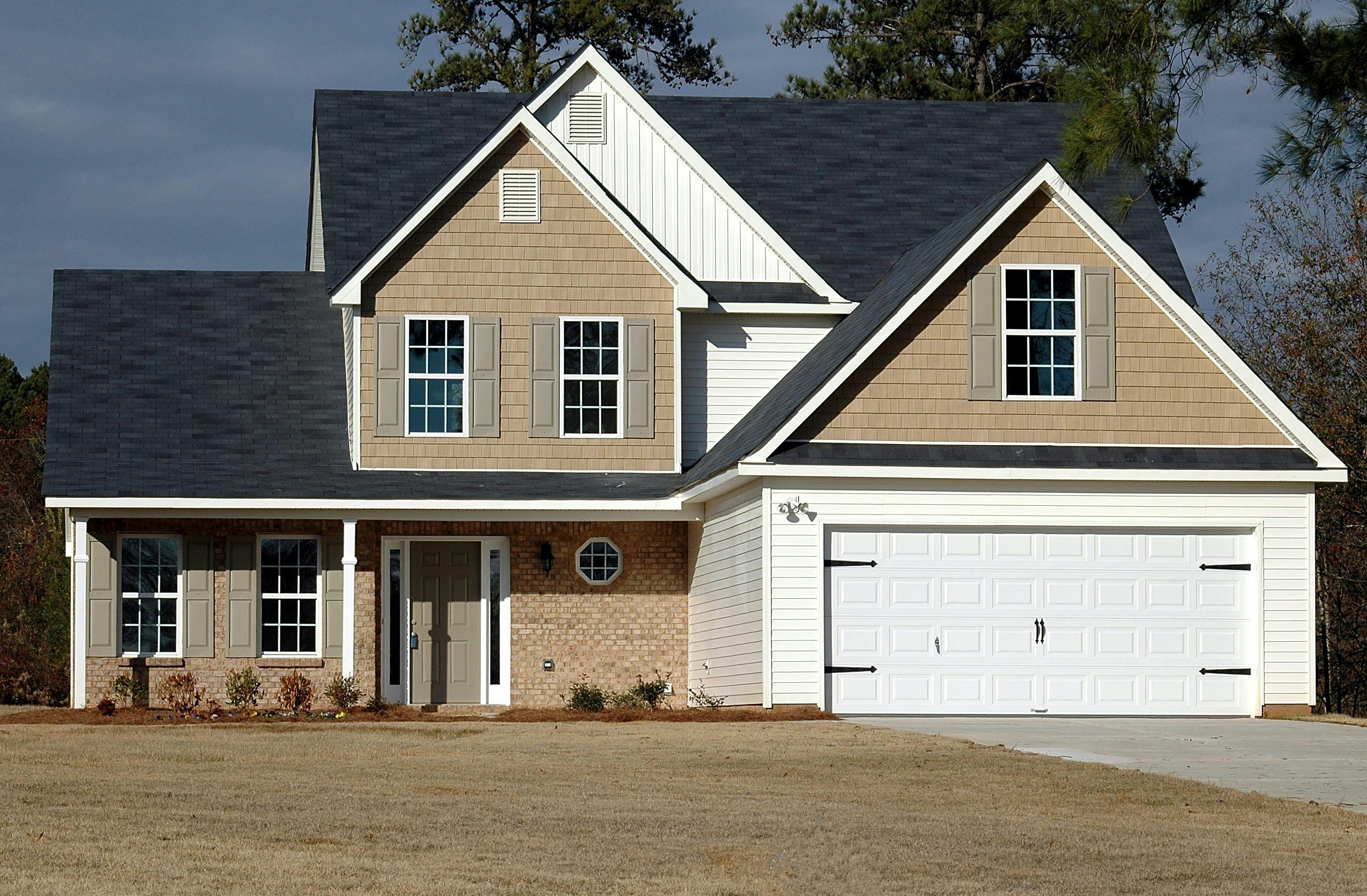
This Photo was taken by Pixabay.
Corporate return-to-office mandates represent a potential market risk that agents must monitor closely. Properties heavily dependent on remote work buyers may face demand fluctuations if major employers change their work-from-home policies. Diversifying client bases and maintaining awareness of corporate policy trends helps mitigate these risks.
Financing challenges also affect some remote work buyers, particularly those with non-traditional income documentation or multi-state tax complications. Agents who understand these issues and maintain relationships with experienced lenders provide valuable client service while protecting transaction success rates.
Market education becomes crucial as remote work buyers may have unrealistic expectations about pricing, availability, or community characteristics. Agents must balance enthusiasm for relocation with realistic market education to ensure successful transactions and satisfied clients.
Staying ahead of policy changes
Remote work housing trends intersect with various regulatory and policy considerations that agents must understand. Tax implications of working across state lines, insurance requirements for home offices, and local zoning regulations affecting home-based businesses all impact remote work buyers.
Maintaining current knowledge about these issues—and building professional relationships with specialists who can address complex situations—helps agents provide comprehensive service while avoiding potential legal or regulatory problems.
Frequently asked questions about remote work housing trends
What percentage of New Jersey home buyers are motivated by remote work opportunities?
Current market research indicates that approximately 43% of New Jersey home buyers in 2024 cited remote work flexibility as a primary or secondary factor in their relocation decision. This represents a 127% increase from pre-pandemic levels and continues trending upward into 2025.
Which New Jersey counties are seeing the highest demand from remote work relocations?
Somerset, Morris, and Bergen counties lead remote work relocations, with Somerset County experiencing the highest growth rate at 31% year-over-year. These counties offer optimal combinations of transportation access, school quality, and property values that appeal to relocating professionals.
How much more are buyers willing to pay for properties with dedicated home office space?
Properties featuring dedicated home office spaces command average premiums of 8-12% compared to similar homes without workspace amenities. Properties with separate office entrances, built-in storage, and high-speed internet infrastructure can command premiums up to 15%.
What are the most important features remote work buyers seek in New Jersey properties?
Top priorities include dedicated office space (87% of buyers), high-speed internet access (82%), proximity to transit (76%), larger lot sizes (71%), and quiet neighborhoods suitable for video calls (68%). Garage or basement conversion potential also ranks highly.
How are corporate return-to-office policies affecting the remote work housing market?
While some companies have implemented return-to-office requirements, the majority have adopted permanent hybrid policies that continue supporting the remote work housing market. Properties within 90 minutes of major metropolitan areas maintain strong demand from hybrid workers.
What financing options are available for remote workers relocating to New Jersey?
Several lenders offer specialized programs for remote workers, including income verification processes adapted for non-traditional documentation and multi-state tax situations. Some programs offer reduced documentation requirements for established remote employees with verifiable income histories.
Capitalizing on the transformation ahead
The remote work revolution has permanently altered New Jersey’s real estate landscape, creating unprecedented opportunities for licensed salespersons who understand and adapt to these market dynamics. The data clearly demonstrates that hybrid work arrangements, suburban demand shifts, and evolving home office requirements represent not just temporary trends, but fundamental changes in how buyers evaluate and select properties.
Success in this transformed market requires more than traditional real estate skills—it demands specialization, strategic positioning, and deep understanding of remote work buyer motivations. Agents who develop expertise in transportation corridors, technology infrastructure, and workspace requirements position themselves to capture disproportionate market share in high-value transactions.
The financial rewards extend beyond immediate commission opportunities. Remote work specialization creates pathways to higher-value clients, recurring referral relationships, and potential investment opportunities in rapidly appreciating markets. For agents willing to invest in understanding these trends and adapting their practices accordingly, the remote work housing boom represents a generational wealth-building opportunity that will continue evolving throughout 2025 and beyond.